
World AMR Awareness Week 2026: Antimicrobial Resistance Strains for Research and Diagnostics
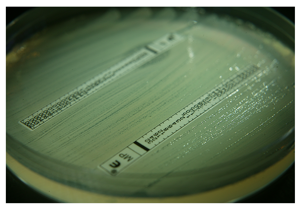 World AMR Awareness Week, taking place from 18–24 November 2026, provides an opportunity to spotlight the global challenge of antimicrobial resistance (AMR) and the critical role that quality-assured microbial reference materials play in research, surveillance and diagnostics. The National Collection of Type Cultures (NCTC), part of UKHSA, offers a comprehensive range of AMR strains to support the scientific community in tackling this growing threat.
Supporting the Fight Against Antimicrobial Resistance
AMR remains one of the most significant challenges facing global public health. As bacteria evolve resistance to antimicrobial treatments, laboratories, researchers and diagnostic developers require reliable reference strains to validate methods, monitor resistance mechanisms and develop new solutions.
NCTC's extensive collection of antimicrobial resistance strains provides access to well-characterised microorganisms that support every stage of the research and diagnostic pathway. These include clinically relevant pathogens carrying important resistance determinants, enabling laboratories to evaluate testing methods, assess assay performance and improve the accuracy of AMR detection.
Reference Strains for Research and Method Development
The NCTC collection includes a wide range of antimicrobial resistance reference strains representing key bacterial species and resistance mechanisms. These authenticated cultures offer a dependable resource for antibiotic susceptibility testing, quality assurance programmes, genomic studies and the development of new diagnostics and therapeutics.
Researchers can access strains exhibiting resistance to clinically important antimicrobial classes, helping to advance our understanding of how resistance emerges, spreads and impacts patient outcomes.
Quality Control for Diagnostic Laboratories
Accurate antimicrobial susceptibility testing is essential for guiding patient treatment and supporting antimicrobial stewardship programmes. NCTC's antimicrobial resistance susceptibility control strains provide laboratories with validated controls for routine and extended quality control, supporting compliance with recognised standards and recommendations such as EUCAST and CLSI guidance.
By incorporating quality-assured control strains into testing workflows, laboratories can strengthen confidence in their results and ensure the ongoing reliability of susceptibility testing methods.
Supporting Global Surveillance of Antimicrobial-Resistant Gonorrhoea
Antimicrobial-resistant Neisseria gonorrhoeae remains a growing global health concern. To support quality assurance and standardisation of antimicrobial susceptibility testing, NCTC supplies the WHO Gonorrhoea reference strain panel.
These well-characterised strains help laboratories validate testing methods, monitor performance and contribute reliable data to AMR surveillance programmes, supporting efforts to track resistance trends and inform treatment strategies worldwide.
Contemporary AMR Challenges
To address emerging resistance threats, NCTC continues to expand its collection with contemporary clinical isolates. The recently launched UKHSA-PACE AMR panels feature carefully selected Gram-negative bacteria representing current resistance challenges encountered in healthcare settings. These panels provide researchers with access to relevant, well-characterised strains that support studies into novel diagnostics, surveillance approaches and antimicrobial development.
Explore NCTC's AMR Resources
This World AMR Awareness Week, Culture Collections encourages researchers, diagnostic manufacturers and clinical laboratories to explore the extensive range of NCTC antimicrobial resistance strains available to support innovation and improve the detection and monitoring of resistant pathogens.
Whether developing new diagnostic technologies, validating susceptibility testing methods or investigating resistance mechanisms, NCTC's trusted reference and control strains provide the quality-assured resources needed to advance the global response to antimicrobial resistance.
Explore the range: