
Outbreak of Ebola Disease Caused by Bundibugyo Virus in the Democratic Republic of the Congo and Uganda 2026
 The UK has allocated up to £20 million in new funding to support efforts to contain a deadly Ebola outbreak in eastern Democratic Republic of the Congo (DRC). This funding will assist the World Health Organization (WHO), the United Nations, and international and non-governmental partners to respond rapidly by strengthening disease surveillance, supporting frontline healthcare workers, improving infection prevention and control measures, and ensuring affected communities can access lifesaving care. Most confirmed cases have been reported in the Ituri region, an area already facing significant humanitarian and security challenges.
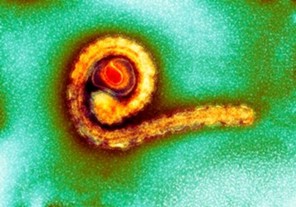
Ebola disease (EBOD) is a severe and often fatal illness caused by orthoebolaviruses, members of the Filoviridae family, affecting humans and other primates. The disease was first identified in 1976 during nearly simultaneous outbreaks in Zaire (now the DRC) and Sudan (now South Sudan). Although no human cases were reported between 1979 and 1994, outbreaks have been recorded with increasing frequency since then.
Historically, EBOD outbreaks were largely confined to remote rural areas near tropical rainforests in Central and West Africa, with most cases occurring in the DRC, Gabon, the Republic of Congo, Sudan, and Uganda. However, the 2014–2016 West Africa epidemic marked a turning point, with widespread urban transmission across Guinea, Liberia, and Sierra Leone, and over 28,000 reported cases. Several countries, including the UK and the US, also reported imported cases linked to that outbreak.
Two monoclonal antibody therapies, REGN-EB3 (Inmazeb™) and mAb114 (Ebanga™), are approved for treating Ebola virus disease caused by the Zaire strain (EBOV). However, there are currently no licensed therapeutics for infections caused by other ebolavirus species, including the Bundibugyo strain responsible for current outbreaks in the DRC and Uganda. As a result, research efforts are focused on developing vaccines and treatment candidates for these strains, with several under investigation.
During the 2014–2015 outbreak in Sierra Leone, approximately 10,000 clinical samples were collected through UK Health Security Agency (UKHSA)-led diagnostic efforts. Of these, 1,440 tested positive for Ebola and have since been curated by UKHSA. The Sierra Leone Ministry of Health and Sanitation retains ownership of these materials and collaborates with UKHSA and international partners to support research that informs future outbreak preparedness and response.
This biobank represents an open-access resource available to researchers worldwide across academia, government, charitable organisations, and industry, accelerating progress in Ebola research and public health preparedness. Applicants wishing to access materials are advised to contact research.support@ukhsa.gov.uk for further information and to confirm sample availability.